

In the USA, loans are no longer just a way to borrow money. They have become an important part of financial planning. In 2026, digital banking and fintech companies have made getting a loan easier than ever. Today, a borrower can compare loans, apply, and get approved from a mobile device or laptop. Despite this fast system, if you don’t understand the basic differences between secured and unsecured loans, you may make the wrong financial decisions that could lead to future stress. That’s why every borrower needs to understand both types in detail.
What is a secured loan?
A secured loan is a loan in which the borrower pledges something of value to the lender as collateral. This could be a house, car, plot of land, business equipment or any other government asset. The lender issues the loan by taking this asset as collateral. This means that if the borrower does not repay the installment on time, the lender can legally sell the asset to cover its loss. This reduces the risk for the lender and gives the borrower relatively better terms.
Common types of secured loans
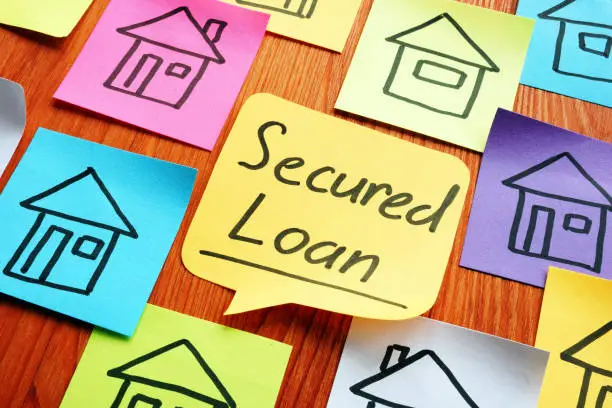
The most common secured loan in the USA is a mortgage loan, which is taken out to buy a home. Auto loans are also used to finance cars. Home equity loans are for people who want to borrow against the value of their home. Business loans are also often secured, with machinery, inventory, or real estate used as security. A common feature of all these loans is that the loan amount is fixed and the repayment period is long, making the monthly installment manageable.
What is unsecured debt?
An unsecured loan is one in which the borrower does not have to put up any assets as collateral. The lender makes a decision only after looking at your credit score, income record, and financial behavior. This loan is useful for people who do not own any property or assets but have a strong credit record. This loan has a higher interest rate because the lender takes on more risk. If the borrower defaults, the lender does not have anything physical to repay the money.
Common types of unsecured loans
Personal loans are the most common unsecured loans in the USA, used for medical emergencies, travel, education, and debt consolidation. Credit cards are also unsecured, allowing you to use them for limited amounts. Payday loans are short-term, high-interest loans that are usually used for emergencies. Student loans are also often unsecured if they are government-backed. These loans are intended to provide immediate financial assistance to the borrower.
Interest rate difference
Secured loans have lower interest rates because the lender has less risk. The security for the loan is in the form of an asset that gives confidence to the lender. Unsecured loans have relatively higher interest rates because the lender only lends money on the borrower’s promise. If you are borrowing for a long term, a secured loan is better for saving on interest. Higher interest rates mean higher payments in the long run, which affects the overall budget.
The importance of credit score
The most powerful factor in loan approval in the USA is credit score. A good credit score provides the borrower with lower interest rates and flexible repayment options. Borrowers with low credit scores often face more stringent terms. Secured loans become an option for those with low scores because the lender provides security. Therefore, improving your credit score is very beneficial for future loans.
Approval process and time
Unsecured loans are approved very quickly by online lenders. In some cases, same-day approval is even possible. Secured loans involve more documentation, such as property verification, insurance, and title checks. This makes the secured loan process a bit slower. However, the longer process comes with better terms.
Understanding risk factors

The biggest risk with a secured loan is the risk of property damage if a payment is missed. Therefore, only those who can afford to repay should take out a secured loan. In an unsecured loan, the asset remains secure, but the damage to the credit score is very serious. If the credit score drops, future loans become difficult.
The role of digital lending in 2026
In 2026, AI systems and fintech apps are speeding up loan approvals. Instant approvals and paperless loans are becoming possible for borrowers. Digital platforms are making it easier to compare and manage loans. This gives borrowers both transparency and control.
Which loan is best for you?
If you own property and need a large amount of money, a secured loan is a better option. If you are a student or need short-term money, an unsecured loan is appropriate. The decision should always be made based on your financial capacity and future goals.
Smart Borrowing Tips
Calculate your budget before taking out a loan. Borrow only the amount you can easily repay. Compare rates from different lenders. Read the terms carefully before signing the agreement. Use the loan for emergencies, not for unnecessary purchases.
Conclusion
Both secured and unsecured loans have their own advantages and disadvantages. A smart borrower is one who chooses not just the easy option but the right option. If you take out a loan with planning, it can be a source of growth for you. With poor planning, a loan becomes a financial burden. Therefore, it is important to always make informed decisions.
FAQs
Q1: Is it easy to get a secured loan in the US?
Yes, if you have property, a car, or other assets, it is relatively easy to get a secured loan because the lender is secure. This also increases your chances of approval.
Q2: Is credit score very important for unsecured loan?
Of course, in unsecured loans the lender relies solely on your credit score and income, so a good credit score is very important.
Q3: Which loan is more expensive?
Unsecured loans are more expensive because they have higher interest rates, while secured loans are relatively cheaper.
Q4: What happens if the secured loan is not repaid?
If the borrower does not pay the installments, the lender can legally sell the mortgaged property and recover its money.
Q5: Is the property seized in case of default on an unsecured loan?
No, no property is seized in an unsecured loan but your credit score is severely damaged and legal action can also be taken.
Q6: Is the student loan secured or unsecured?
Student loans are often unsecured, but the rules for government-backed loans may be slightly different.
Q7: Can I convert a secured loan to an unsecured one later?
A direct conversion is not possible, but you can refinance the loan and choose an unsecured option if you have a strong profile.
Question 8: Is it safe to take out an online loan in 2026 or not?
Yes, it is safe to borrow money online if you choose licensed and reputable lenders. Always be wary of fake websites and scams.
Q9: Which option is better for beginners?
Unsecured personal loans are easier for beginners with good credit scores. Otherwise, secured loans are a safer option.
Q10: Can I take out a secured and unsecured loan at the same time?
Yes, but only if your income and ability to pay are strong, otherwise the financial pressure can be enormous.