10 Easy Ways to Improve Credit for Students in Canada

A credit score is the most important part of every student’s financial health in Canada. This score gives lenders an indication of your financial behavior and makes it easier for you to get approved for loans and credit cards. A high score results in lower interest rates and faster approval. A low score makes borrowing difficult and expensive. Each understudy ought to oversee their score so that future money related choices in Canada are secure and stress-free.
Savvy monetary propensities and opportune installments reliably make strides your credit score over the long term. A positive credit score qualifies you for superior credit and credit card offers in Canada. Construct your score amid your understudy life in Canada, making future credits and contracts less demanding and more affordable. Financial responsibility and timely payments also increase your overall financial confidence in Canada.
1. Start with a student credit card
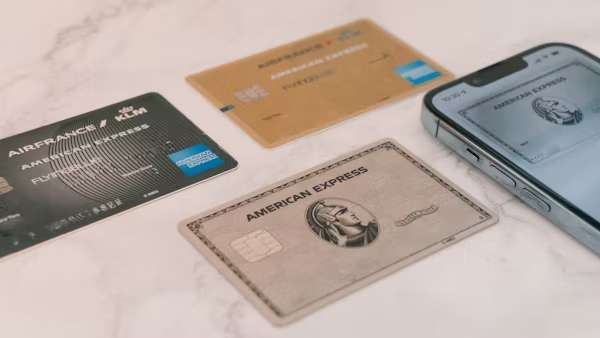
Using a student credit card in Canada is an easy way to build credit history. Small, manageable purchases that you pay on time send a responsible signal to lenders in Canada. It’s important to avoid overspending, as a debt load can hurt your score. Student cards typically come with lower limits that are safe for you in Canada. Responsible use gradually builds your history and improves your score in Canada. Student cards help you learn budgeting and payment discipline. Paying each articulation on time and keeping track of your adjustment will offer assistance to develop your score consistently in Canada. This step is advantageous for modern credit users.
2. Make payments on time
It’s important to pay every bill and loan on time. Late payments negatively impact your score and reduce lenders’ trust. Setting reminders or enabling autopay for students can help prevent mistakes. A consistent payment history builds your credit and gives lenders confidence. Even small amounts paid on time can gradually improve your score and discipline your financial habits. Payment history is the most important factor in your score and affects your approvals and interest rates in the long run.
3. Keep credit usage low
Keeping your credit utilization low is crucial. If you use up all of your available credit, your score will plummet. Ideally, keep the proportion underneath 30 percent. Moo utilization appears to banks that you are a dependable and restrained borrower. Observing your month to month utilization and paying off your adjustment on time builds solid propensities. The combined effect of smart usage and low utilization improves a student’s score over time. This methodology too makes a difference to maintain a strategic distance from transitory overspending and keep up long-term credit health.
4. Monitor your credit report
It is critical for understudies to check their credit reports frequently.If not corrected in a timely manner, errors and discrepancies can lower their scores. Accurate and up-to-date reports reflect sound financial behavior to lenders.Understudies can screen their reports utilizing free online apparatuses and bank entrances. Month to month or quarterly checking makes it simpler to spot blunders and resolve debate.Checking propensities advance mindfulness and monetary teaching, which generally progresses credit scores.
5. Become an Authorized User

1. How It Works
Becoming an authorized user allows a student to be added to a responsible family member’s credit account. The positive payment history of the primary account holder reflects on the student’s credit report. This helps in building credit history quickly without taking on any debt.
2. Benefits for Students
Using an authorized user account teaches students budgeting and timely payment habits. Responsible utilization continuously increments the credit score and reinforces generally credit history. Understudies learn how to oversee credit dependably whereas maintaining a strategic distance from monetary hazard.
3. Who Should Consider This
This step is especially helpful for students who are new to credit and want to start building an independent credit history. It is safe as long as the primary account holder maintains a good payment record. Students gain experience in credit management before applying for their own accounts.
6. Limit new credit applications

Applying for multiple credit cards or loans at the same time can temporarily lower your score. Each new application creates a difficult inquiry, which lowers your score in the short term. Students should approach applications with a selective and strategic plan. This approach stabilizes your score and avoids unnecessary risk. Planning and applying on time is a smart and safe strategy for students that builds long-term financial credibility.
7. Timely updates
Routinely checking credit reports in Canada and rectifying blunders secures scores. Up-to-date history in Canada gives a precise and solid flag to lenders. Removing outdated information and resolving disputes highlights a student’s responsible behavior in Canada. Monitoring accounts and using online portals in Canada demonstrates awareness and discipline. Timely updates maintain scores and build trust with lenders. Accurate and up-to-date reports provide the foundation for credit improvement in Canada. This habit builds a strong financial foundation for students in the long run.
- Check your monthly or quarterly credit report.
- Correct errors and discrepancies immediately.
- Remove outdated information and resolve conflicts.
- Accounts regularly monitor
- Online portals provide fast and accurate updates.
8. Create a credit mix
A combination of student loans, credit cards, and small installment loans boosts your score. A variety of credit types demonstrates responsibility and payment discipline. A mix of credit is more effective than a single type. Manage accounts carefully and keep up with installments on time. Steadily testing with diverse sorts of credit will reliably make strides your score and construct budgetary confidence.
9. Keep old accounts open

Don’t close old credit accounts. The effect of credit age increases your score in the long run. Longer-term accounts improve the average age of your account, which is a positive sign for lenders. Using older accounts and keeping up with timely payments strengthens your score. For students, this step is important for future loans and approvals. The combined effect of history and account age leads to faster approvals and lower interest rates.
10. Responsible Budgetary Habits
Carefully budget and track costs. Dodge superfluous obligation and spare. Keeping up with crisis finance gives long-term budgetary soundness. Dependable propensities steadily progress credit scores and build up monetary discipline.Students should practice smart budgeting and spending tracking daily. These habits keep approvals easy and interest rates low in the long runResponsible activities and consistency construct a solid monetary future.
Conclusion
Understudies in Canada can effectively move forward their credit scores by taking after shrewd propensities.Paying on time, using less, monitoring, and borrowing responsibly are key steps. Student credit cards, being an authorized user, and various types of credit gradually increase a student’s credit score. Maintaining old accounts and financial discipline provide long-term confidence and approval.Steady endeavors and mindfulness will reliably move forward a student’s score and make strides budgetary alternatives in the future.
FAQS
- How can students check their credit score in Canada?
You can get the report from free online portals and banks. - How long does it take to improve your score?
With consistent efforts, significant improvement occurs within 6-12 months. - Multiple credit cards are harmful for students?
Yes, too many applications and overuse lowers the score. - Is it safe to become an authorized user?
Yes, there is no risk if the primary account holder is responsible. - Student loans helpful for credit?
Yes, timely repayment of small installment loans improves credit history.